

5 Everyday Things a Microplastics Researcher Does Differently
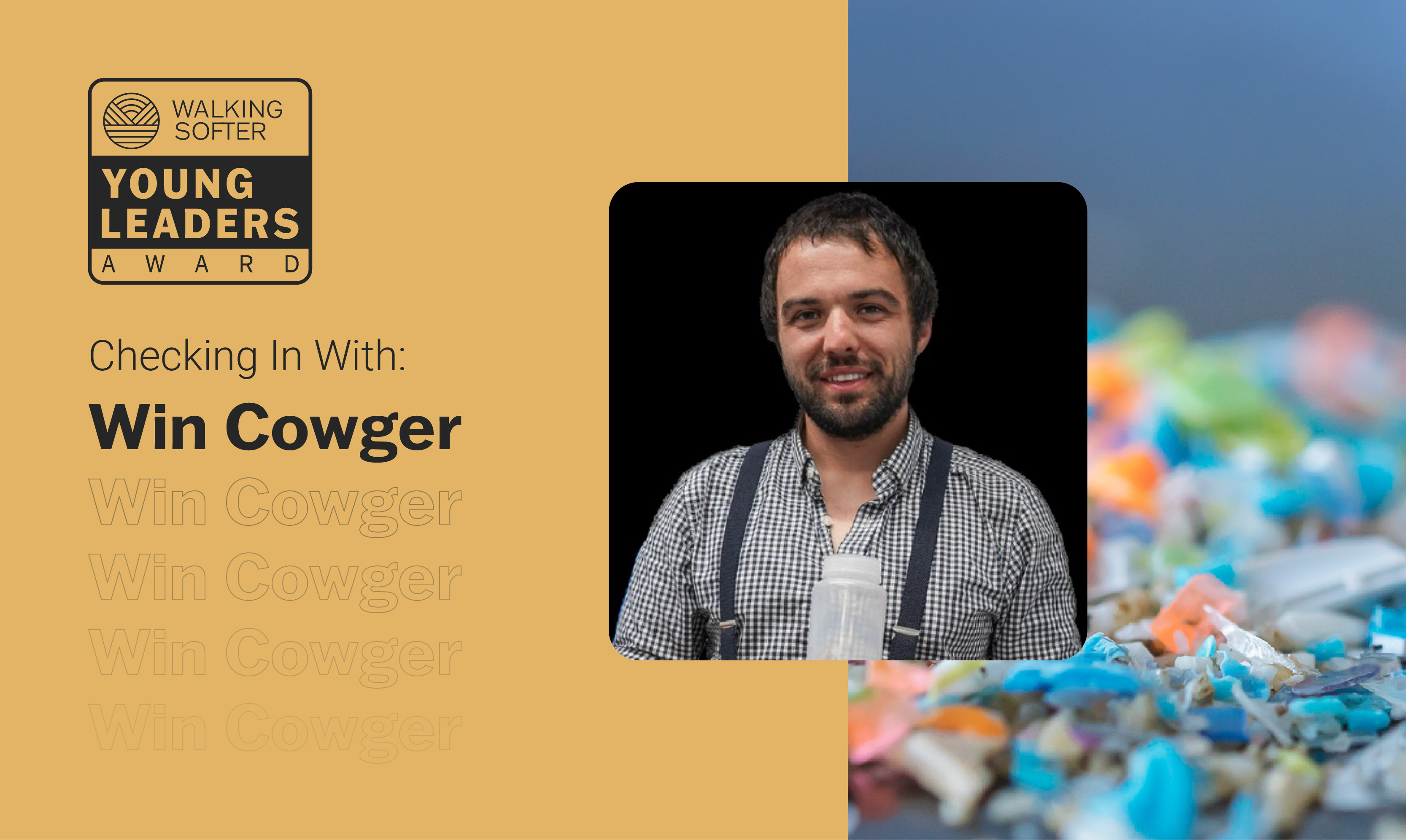
We sat down with Plastic Pollution Researcher and Young Leaders alumnus, Dr. Win Cowger to learn how he approaches plastic use in his everyday life. From the products he chooses for his home, what he wears, and how he packs his lunch, Dr. Cowger shares five practical things he is doing to reduce his exposure to microplastics.
October 30, 2026
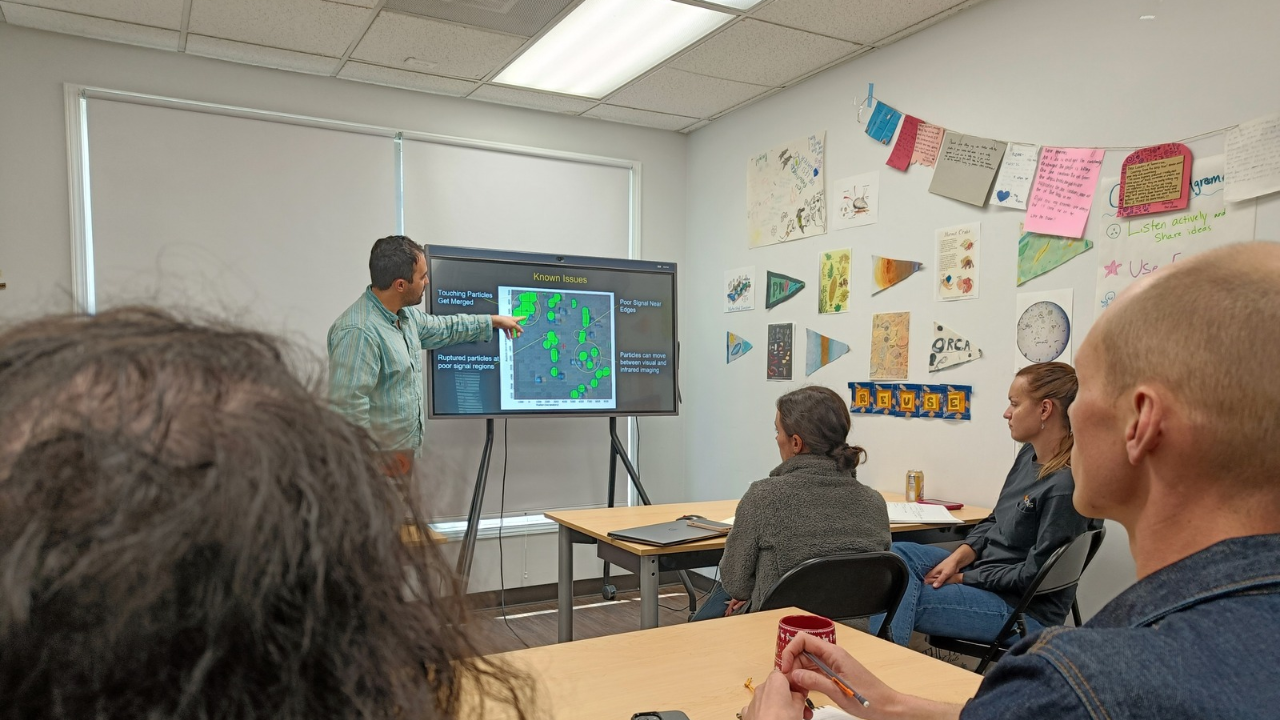
Plastic pollution and microplastics have become common topics in conversations about both the environment and human health. From food packaging, personal care products, and clothing, plastic has a way of making an appearance into nearly every aspect of our daily lives. Navigating the conversation around the plastic issue and trying to reduce your exposure to microplastics can feel super overwhelming. So…where do we start?
We sat down with Plastic Pollution Researcher and Young Leaders alumnus, Dr. Win Cowger to learn how he approaches plastic use in his everyday life. From the products he chooses for his home, what he wears, and how he packs his lunch, Dr. Cowger shares five practical things he is doing to reduce his exposure to microplastics.
Rethinking What’s in the Kitchen
“I try not to use plastic containers for my food. So, especially the stuff that's going to be contacting the food, like my lunch container, will be glass or metal.”
Everybody eats and the kitchen is perhaps one of the most practical places to start when thinking about reducing plastic use. Food storage containers, tea bags, water bottles, and utensils are all common sources of plastic that are a part of many people's daily routines. For Dr. Cowger, one of the first considerations is what will be coming in direct contact with his food and beverages. Rather than using plastic containers, Dr. Cowger opts for alternatives like glass and stainless steel.
His approach also extends beyond the kitchen and into his professional life. In the lab where he and fellow researchers are studying plastic pollution, certain materials can become sources of contamination and not the most sustainable options. Dr. Cowger mentioned that his team is exploring using glass pipette tips that they can wash and reuse as an alternative to the common disposable plastic ones. Reducing plastic use and exposure doesn’t require dramatic lifestyle changes. It can start with small steps and simple swaps like rethinking how you pack your lunch or opting for reusable products over disposable ones.
Choosing Natural Fibers
Plastic isn’t just found in food packaging and the products we buy…it is also in many of the clothes we wear. Synthetic textiles such as polyester and nylon are plastic-based materials that are commonly found in both the closet and landfill. As the clothes are worn and washed, they shed tiny little plastic fibers (microfibers) that then make their way into wastewater and the environment. Fabrics like cotton, linen, wool, and hemp are some natural fibers that are alternatives to synthetic materials.
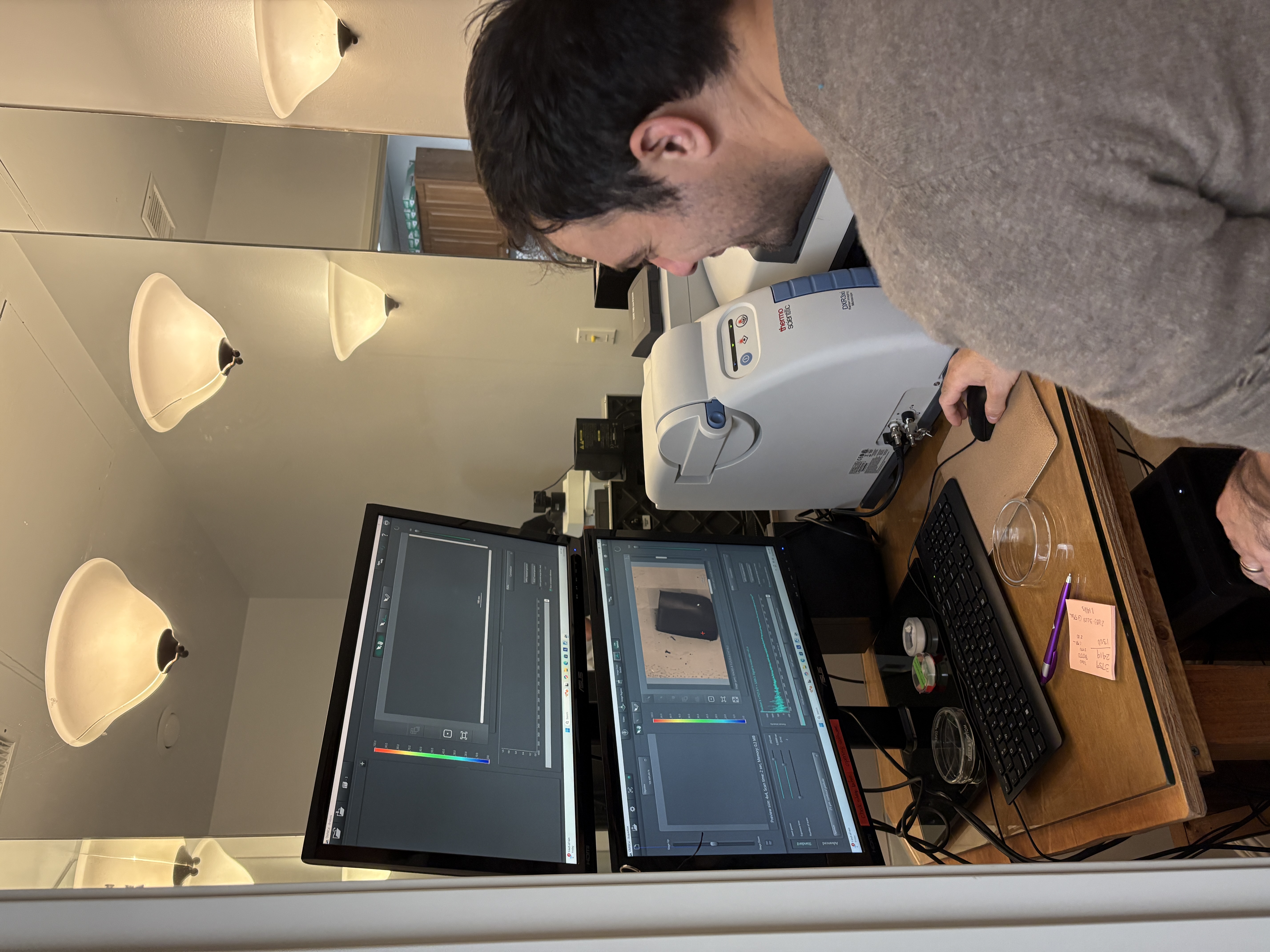
Dr. Cowger also explained that his clothing choice is also an important consideration in his professional environment. Because his work is studying plastics, Cowger has to be mindful of what he brings into the lab. He explains, “Our lab requires that I can’t go into the lab with synthetic clothing. Since we are looking at microplastics, we can’t contaminate our own samples.” One thing I noticed during my conversation with Dr. Cowger is how intentional and practical he is about reducing plastic in his everyday life…rather than making drastic changes, he takes a more thoughtful approach to the products he uses and how he can incorporate these things into his day to day life.
Family and Home
Making changes and swapping out products for yourself is one thing. Making those same changes for a household of people, especially one with children, can be a different challenge I imagine. As a father, Dr. Cowger also has to consider the materials used in everyday children’s products like toys, feeding accessories, and household essentials. Rather than conventional plastic toys, he opts for toys made of wood or metal. Laughing, he added “yeah, there aren’t any glass toys I’d be comfortable with my kid playing with.” Personally, I never gave much thought to the number of everyday choices and products that parents might have to consider when trying to reduce their plastic use at home. It made me realize how seemingly simple things like choosing alternative materials can look a lot different, depending on the household and stage of life.
Personal Care
Personal care products are another category where plastic can be hard to avoid…especially when so many items on the shelf are packaged in plastic. It can be frustrating and time consuming to try to navigate the alternatives, but also the ones that work for you. Dr. Cowger shared that he pays particular attention to the ingredients in the products he uses and looks for alternatives when possible. One example he mentioned is sunscreen. He and his family opt for mineral based sunscreen that he described as containing mostly food based ingredients, rather than some of the conventional products in the market. Dr. Cowger also noted that he looks for EWG (Environmental Working Group) certifications as a resource when evaluating personal care products. Another everyday product he has swapped out is traditional synthetic dental floss for silk based floss. Sustainable personal care products can be tricky to navigate, but taking a closer look at ingredients, understanding materials, and looking for alternatives where and when you can are all solid places to start!
Shopping Reuse + Bulk Stores
Another way that Dr. Cowger reduces his plastic use is by being more intentional about where and how he shops. Bulk stores and refill shops are wonderful alternatives to purchasing products that come in single-use packaging. They simultaneously encourage us (sometimes subconsciously) to rethink what we actually need when shopping and how much we consume. Often, these stores sell other plastic free alternatives like metal razors, reusable produce bags, and other household essentials…making it easier to find practical swaps all in one place.
What stood out to me most during my conversation with Dr. Win Cowger was how practical and intentional he is about reducing plastic in his everyday life. His approach isn’t about completely eliminating any tiny trace of plastic, but just taking extra time to look and learn more about ingredients and find more sustainable alternatives that work for him and his family. The plastic problem is both deeply concerning and deeply overwhelming. But as Dr. Cowger’s practices demonstrate, becoming more conscious of our plastic use can start with small steps to build more intentional and long lasting habits.










































































Subscribe to the Walking Softer email newsletter
Be the Changemaker - join our email list for the latest news and opportunities.